
The Wild Within pushes ruin‑romantic digital art into a fully immersive Dubai environment, reanimating global architectural remains with lush, time‑based ecosystems inside Kanvas.
Summary
- On May 18 in Dubai, Ryan Koopmans and Alice Wexell are part of an immersive evening at Kanvas that extends their ongoing project The Wild Within into a multi‑artist environment about memory, architecture, and time.
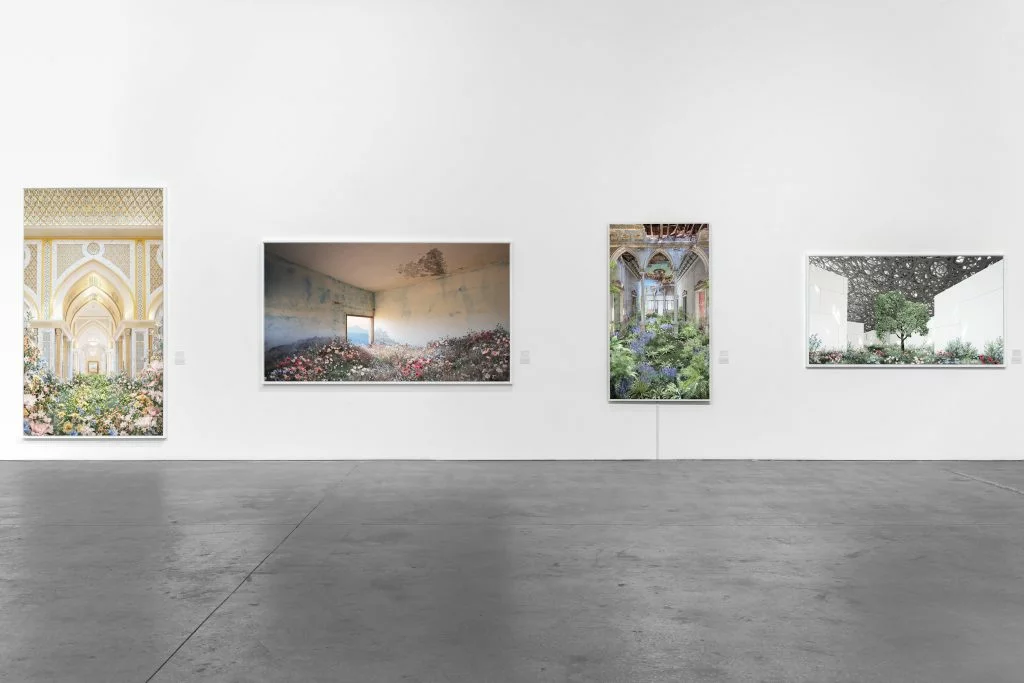
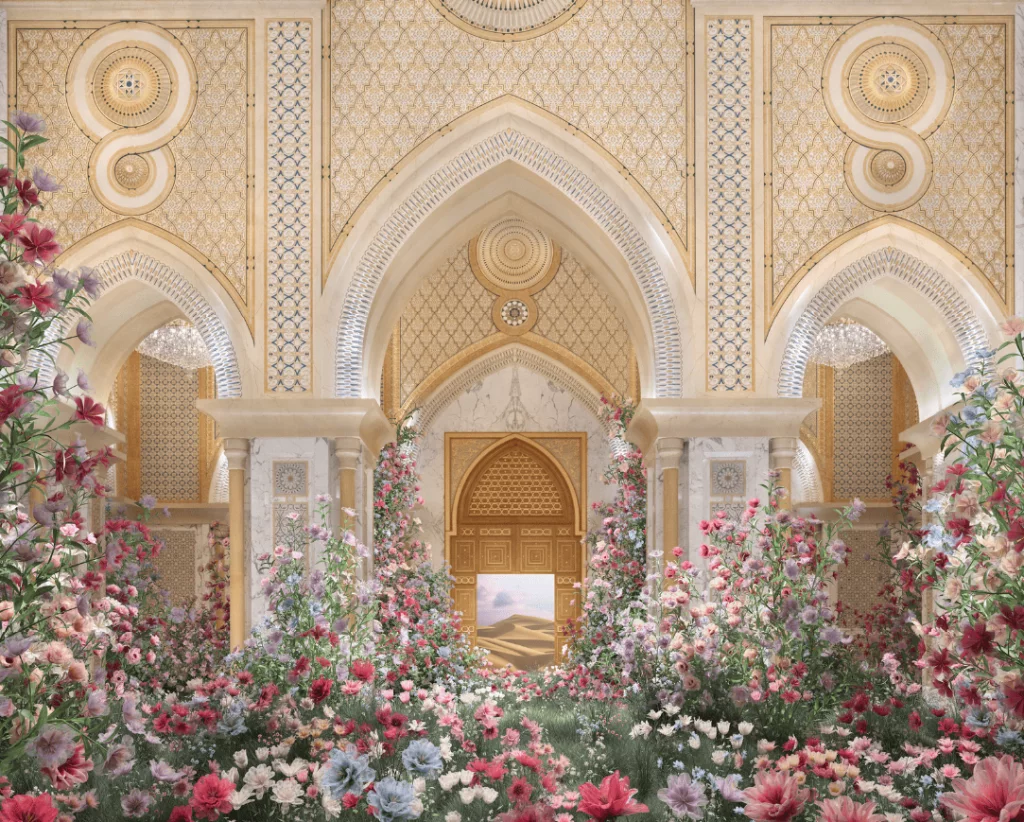
- Their contribution blends large‑scale projections, time‑based digital works, and physical prints, transforming documented ruins from Beirut, Istanbul, Abu Dhabi and beyond into lush, animated ecosystems where vegetation, light, and atmosphere are digitally re‑composed.
- The project sits squarely in the lineage of digital art and art history, echoing Romantic ruin painting, post‑industrial photography and video installation, while using 3D, animation and immersive display tech to restage the classic “nature versus architecture” motif for an AI‑ and climate‑fractured present.
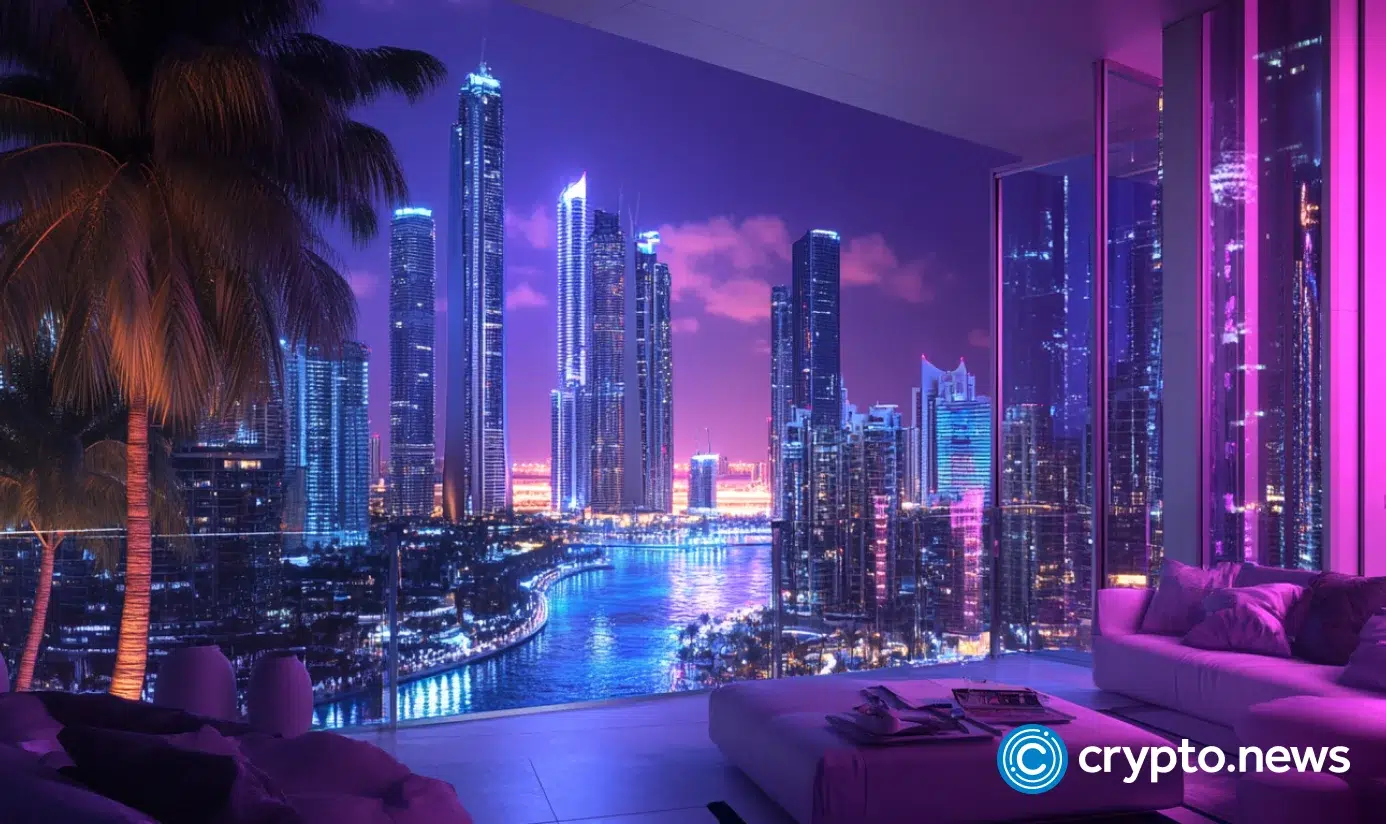
The May 18 event at Kanvas is billed as an “immersive exhibition opening” under the umbrella “IN TIME — Where Memory and Place Continue to Change,” bringing together multiple projects, including “Chafic Mekawi: Beirut Balconies” and “Ryan Koopmans & Alice Wexell: The Wild Within.” The gallery’s announcement makes clear this is not just a static hang but a blended environment “combining physical and digital artworks, and an immersive program” with curated sound, large‑scale projections and spatial staging designed for viewers to move through layered screens and architectures.
Koopmans and Wexell stage immersive May 18 environment in Dubai
Within that frame, Koopmans and Wexell are effectively exporting and re‑staging The Wild Within—originally on view at Leila Heller Gallery in Alserkal from November 10, 2025, to mid‑January 2026—as a time‑based, site‑responsive chapter in a new venue. At Leila Heller, the project was presented through “large‑scale prints and immersive screen works” in which historic and abandoned buildings were documented on site and then digitally reanimated with vegetation, changing light and subtle motion, turning derelict interiors into overgrown, semi‑surreal biomes. In Kanvas’s more explicitly immersive context, those time‑based pieces are foregrounded: high‑resolution motion works such as “Heartbeats” (2025), described as “time‑based media, adaptable to any dimensions,” can be scaled across walls or multi‑screen arrays, so that the slow breathing of light and foliage across a ruin’s façade becomes an environmental condition rather than a single framed image.
Digital art as art‑historical ruin, updated
Conceptually, The Wild Within is a digital art project built on a very old art‑historical problem: how to picture ruins and the return of nature. Koopmans shoots real sites—abandoned Soviet sanatoria in Georgia in earlier iterations, and, in this Dubai chapter, structures across Beirut, Istanbul and Abu Dhabi—with a documentary photographer’s attention to geometry, ornament and spatial rhythm. Wexell then “digitally introduces meticulously crafted vegetation, light, and motion,” compositing 3D plants, animated dust, mist, and shifting atmospheres into the architectural shell so that the resulting images hover between documentation and fiction. The duo have described the process, in related statements, as “bringing new life to abandoned architectural spaces,” where “each work begins as an image of a physical site in transition” before being re‑composed as a speculative ecosystem.
Seen from digital art history’s perspective, the May 18 event is a convergence point between several strands: Romantic ruin painting (Piranesi, Hubert Robert), the Bechers’ typological industrial photography, post‑Soviet ruin tourism, and contemporary CGI‑driven environmental art. Koopmans’ lens‑based origin keeps the work anchored in indexical reality—these are actual buildings—while Wexell’s animation, coding and 3D skills push the images into the territory of time‑based media and immersive installation, closer to the language of Pipilotti Rist or teamLab than to straight photography.
In Dubai specifically, the work acquires another historical charge: set against a city that has spent three decades demolishing and rebuilding itself as speculative architecture, The Wild Within uses digital tools to imagine a future in which those speculative shells are reclaimed by plants, humidity, and dust.
In that sense, the May 18 Kanvas event is not just a promotional spin‑off from the Leila Heller show but an extension of the project’s core thesis—using immersive digital art to stage the very old fantasy of nature’s return inside the newest kinds of architectural and technological space, during a time in which Dubai, and the region at large, is going through profound transformation.