
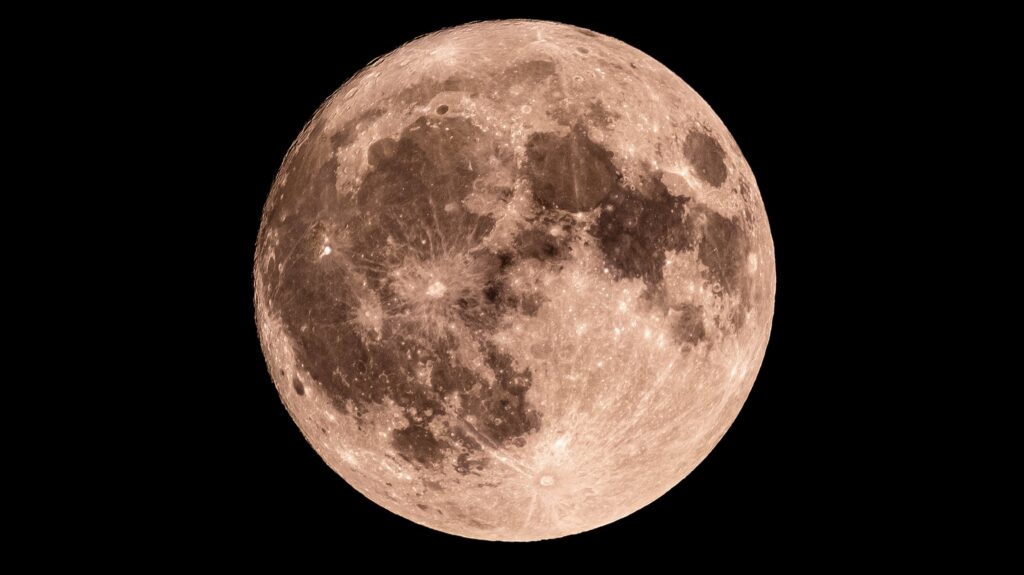


There’s a little more of the Moon to see this week as its illuminated side continues to grow. That means we’re getting a better view of some of its surface features each night.
What is today’s Moon phase?
As of Wednesday, Sept. 16, NASA’s Daily Moon Guide tracker tells us the Moon is in the Waxing Crescent phase, with 26% of its surface visible.
You should be able to spot Mare Crisium and Mare Fecunditatis with the naked eye, while binoculars or a telescope will give you a closer look at Endymion Crater.
When is the next Full Moon?
The next Full Moon will take place on September 26.
What are Moon phases?
The Moon doesn’t look the same from night to night. As it travels around Earth, which takes about 29.5 days, we see different portions of its illuminated side. This is what creates the lunar phases, with the Moon gradually progressing from a thin crescent to a half Moon and then a Full Moon before the cycle starts over. According to NASA, the phase we see is determined by the Moon’s position relative to both Earth and the Sun.
The eight phases are:
New Moon – The Moon is between Earth and the sun, so the side we see is dark (in other words, it’s invisible to the eye).
Waxing Crescent – A small sliver of light appears on the right side (Northern Hemisphere).
First Quarter – Half of the Moon is lit on the right side. It looks like a half-Moon.
Waxing Gibbous – More than half is lit up, but it’s not quite full yet.
Full Moon – The whole face of the Moon is illuminated and fully visible.
Waning Gibbous – The Moon starts losing light on the right side. (Northern Hemisphere)
Third Quarter (or Last Quarter) – Another half-Moon, but now the left side is lit.
Waning Crescent – A thin sliver of light remains on the left side before going dark again.
Source: https://mashable.com/science/moon-phase-today-sept-16-2026